Sparkling Possibilities: Mastering Rhinestone Templates Design
There is a distinct tactile magic that happens when you run your fingers over a freshly pressed rhinestone design. It isn’t just about the shine; it is about the texture, the craftsmanship, and the way light dances off a surface that was previously flat and ordinary. For those of us in the creative trenches—whether we are running a small apparel brand, managing a bustling Etsy shop, or simply creating custom gifts for loved ones—achieving that professional, perfectly aligned look has historically been a painstaking process. However, the landscape of custom merchandise has shifted dramatically with the introduction of high-quality, versatile digital assets.
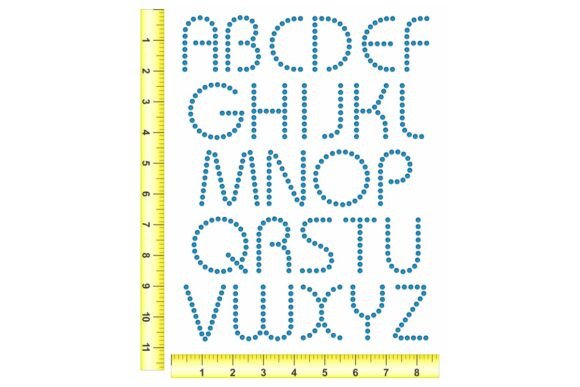
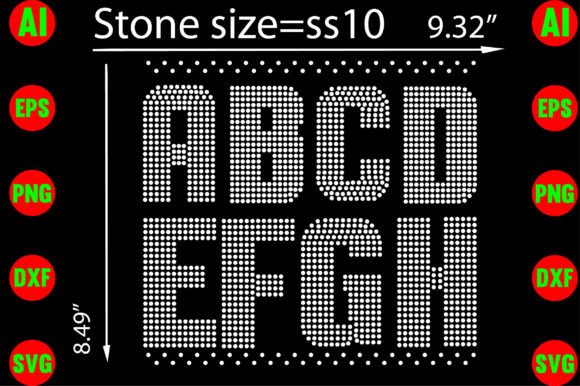
Today, we are taking a deep dive into a specific asset that has been making waves in the crafting and design community: the Rhinestone Templates Design. This isn't just a simple image file; it is a comprehensive toolkit designed to bridge the gap between digital creativity and physical production. Understanding how to leverage this type of asset is crucial for anyone looking to elevate their merchandise game, from T-shirts and tote bags to mugs and cushions. It represents a shift from merely "making things" to "designing systems" that ensure consistency and quality across every item you produce.
The Anatomy of a Professional Asset
When you are investing in design assets for commercial use, the format is just as important as the visual. We have all been there—downloading a file only to find it is a low-resolution JPEG that pixelates the moment you try to scale it up. The difference between an amateur project and a professional product often comes down to the technical specifications of the file you are working with.
This particular Rhinestone Templates Design package addresses those technical hurdles head-on by providing an Instant Download ZIP folder that covers every base a designer could need. It is built for versatility, ensuring that whether you are using a high-end vector program or a basic photo editor, you have the right tool for the job.
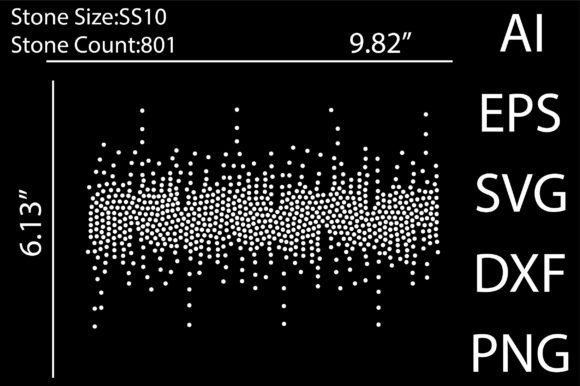
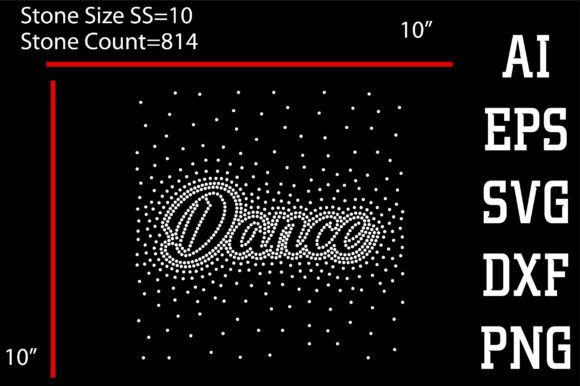
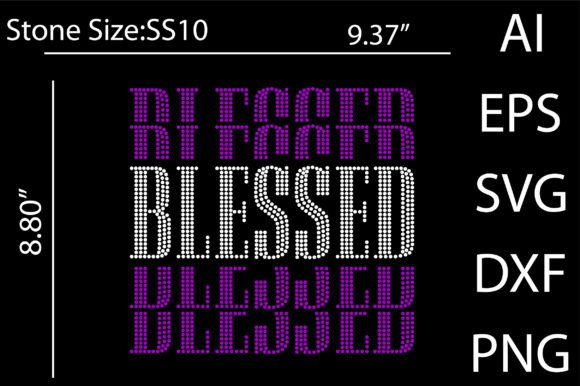
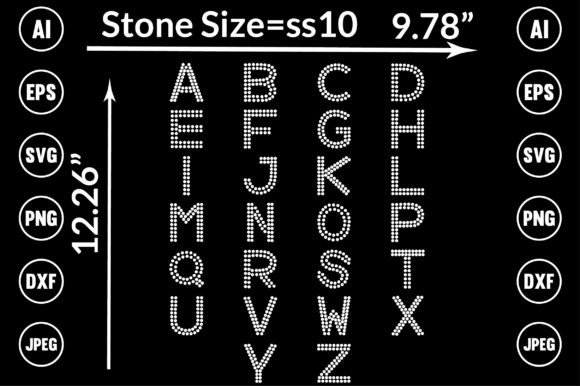
Inside the package, you will find a curated selection of industry-standard formats, each serving a specific purpose in the design workflow:
- Vector Formats (AI & EPS at 300dpi): These are the heavy lifters for professional designers. Vector files are mathematical equations rather than pixels, meaning you can scale your rhinestone design from the size of a postage stamp to a billboard without losing a single speck of quality. This is essential for logo design and large-format printing.
- Cutting Machine Compatibility (SVG & DXF at 300dpi): For the crafting community, these are the gold standard. If you are using machines like Cricut or Silhouette, these files tell the machine exactly where to cut your stencil material or vinyl, ensuring your rhinestones are placed with mathematical precision.
- High-Resolution Raster (Transparent PNG at 300ppi): This is the "plug-and-play" file. The transparent background allows you to drag and drop the design onto any mockup, T-shirt template, or social media graphic without needing to manually erase white boxes. At 300 pixels per inch, it remains crisp even when printed.
- Standard Web & Print (JPEG at 300dpi): While the PNG is often preferred for layering, the high-resolution JPEG is perfect for proofs, mood boards, or printing on standard paper goods.
The fact that these files are editable is the cherry on top. It means you aren’t stuck with the default color scheme or layout. You can tweak the spacing, change the color of the "stones" to match a client’s specific brand identity, or combine elements to create something entirely new.
Beyond the Bling: Practical Applications
While the immediate association with rhinestones is apparel—think cheerleading uniforms, bachelorette party shirts, or boutique fashion—the utility of a high-quality template extends far beyond fabric. As creative entrepreneurs, we have to think about how visual assets can solve problems across different mediums.
Consider the challenge of brand recognition. If your brand identity is built around glamour, luxury, or celebration, a rhinestone aesthetic can be a powerful visual shorthand. However, you don't always want to use physical stones. Sometimes, a high-fidelity digital print of a rhinestone pattern achieves the look without the weight or the cost of actual crystals.
Here are a few ways this specific template set can be integrated into broader projects:
- Merchandise & POD (Print on Demand): Use the transparent PNG files to create mockups for mugs, cushions, and phone cases. The 300dpi resolution ensures that when the factory prints the design, the "gems" look realistic and textured, not flat and blurry.
- Event Invitations & Stationery: For event planners or individuals designing wedding invitations, the vector files allow you to incorporate sparkling accents into the typography or borders without worrying about print quality degradation.
- Digital Marketing & Social Media: In a crowded Instagram feed, texture stops the scroll. Using a snippet of a rhinestone design as a background element or a text highlight in your social media graphics can add a layer of tactile realism that flat colors cannot achieve.
- Packaging Design: If you sell physical goods, particularly in the beauty or fashion niche, incorporating a rhinestone element into your box art or hang tags can elevate the perceived value of the product before the customer even opens it.
Integrating Texture into Modern Typography
One of the most sophisticated ways to use this asset is in conjunction with typography. Modern design trends are leaning heavily into "material design"—where text and shapes are given physical properties like glass, metal, or stone. By using the Rhinestone Templates Design as a clipping mask or overlay, you can transform standard sans-serif fonts into sparkling headlines.
This technique is particularly effective for:
- Logo Design: Creating a monogram or logotype that sparkles can help a brand stand out in the nightlife, beauty, or entertainment industries.
- Editorial Layouts: For magazine covers or blog headers, a rhinestone drop cap or pull quote can draw the eye and break up long blocks of text.
- Web Design Elements: Buttons or call-to-action banners that feature a subtle sparkle texture can increase click-through rates by drawing attention to the conversion point.
The key here is restraint. Because the rhinestone texture is inherently busy and reflective, it pairs best with clean, bold typography. A heavy sans-serif or a thick serif font works best because the "stones" need a large surface area to be legible. If you try to apply this texture to a delicate script font at a small size, it will likely become unreadable noise.
Streamlining Your Workflow
For small business owners and freelancers, time is the most non-renewable resource. The true value of a pre-made template isn't just the design itself; it's the hours of manual labor it saves. Creating a rhinestone pattern from scratch in Adobe Illustrator requires placing hundreds, sometimes thousands, of circles, aligning them perfectly, and grouping them so they don't shift.
By starting with a pre-structured template, you skip the tedious setup phase and jump straight to the creative application. You can focus on the "business" side of design—choosing the right color palette for your target audience, ensuring the layout fits the garment, and preparing the file for your cutter or printer.
Furthermore, the availability of DXF and SVG files specifically optimizes the workflow for those using physical cutting machines. Instead of auto-tracing a raster image—which often results in jagged edges and misaligned cuts—these files provide the machine with clean, vector-based paths. This results in less wasted vinyl, less time weeding, and a final product that looks professionally manufactured rather than handmade.
Final Thoughts on Creative Assets
In the world of digital design and crafting, the quality of your output is inextricably linked to the quality of your inputs. Investing in a versatile, high-resolution asset like the Rhinestone Templates Design is not just an expense; it is a force multiplier for your creative business. It allows you to offer high-end, textured products without the overhead of custom design work for every single order.
Whether you are a seasoned graphic designer looking to add some sparkle to a client's branding package, or a hobbyist looking to make your first custom T-shirt, having the right file formats at your fingertips makes all the difference. It allows you to move seamlessly between the digital screen and the physical product, ensuring that the vision you have in your head is exactly what ends up in your customer's hands. So, unzip those files, fire up your design software or cutting machine, and let your creativity shine.