Sparkling Creativity: Unleashing the Dance Rhinestone Design
There is a certain kinetic energy that comes with the art of dance, and translating that movement into a tangible design requires a specific kind of visual language. Whether you are a small business owner looking to create custom apparel for a dance studio or a graphic designer crafting invitations for a recital, the aesthetic of "bling" and movement is hard to capture with standard fonts. This is where the power of a specialized design asset comes into play. Instantly elevating a project from standard to show-stopping often comes down to the details, and nothing captures the spotlight quite like a rhinestone aesthetic. By utilizing a high-quality digital template, you can bridge the gap between a flat graphic and a textured, sparkling masterpiece that resonates with energy and excitement.
The Anatomy of the Digital Package
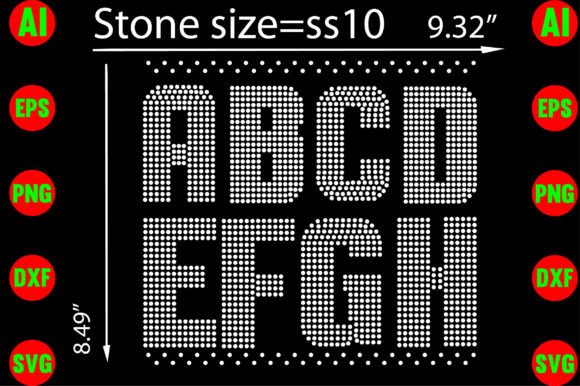
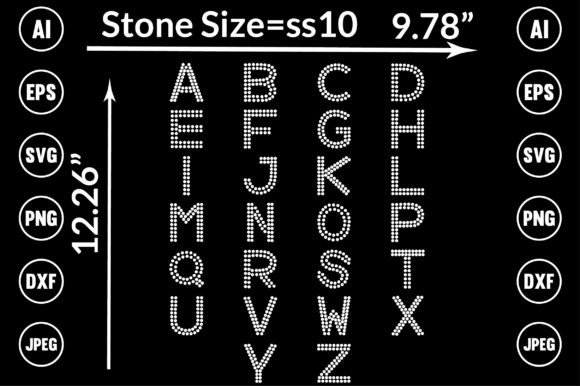
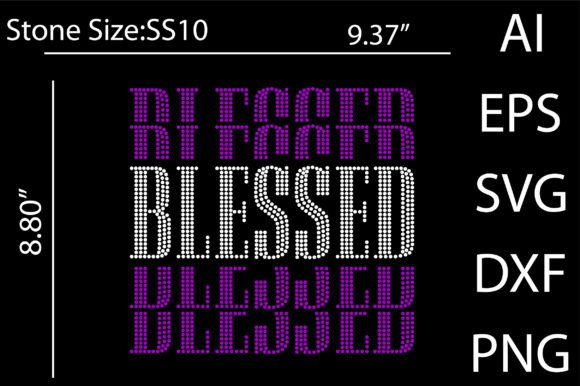
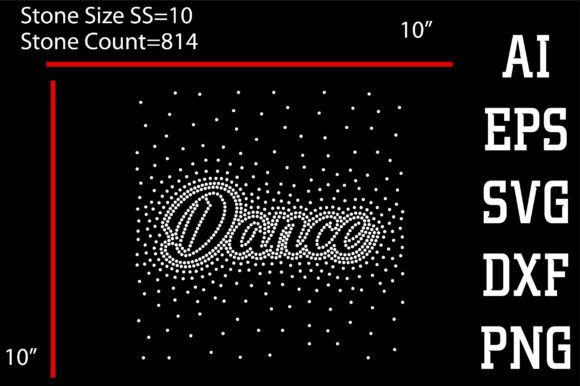
When investing in design assets for commercial use, versatility is key. This particular Dance, Rhinestone Design package is structured to offer maximum flexibility for creators who work across different platforms and machinery. Upon purchase, you aren't just getting a single static image; you are receiving a comprehensive toolkit. The zip folder includes an AI file for Adobe Illustrator users, an SVG file for vector scaling, a transparent PNG for easy layering, an EPS file for broad compatibility, and a JPG for quick previews or standard printing.
The technical specifications are tailored for practical application. Designed at a 10 inch by 10 inch dimension, the layout is spacious enough to serve as a focal point on a t-shirt or a banner, yet scalable for smaller applications like stickers or card designs. The stone sizing is set at ss10 (3mm), which is the industry standard for rhinestone transfers. This specific size ensures that the text remains legible while maintaining that intricate, jeweled look. For those using cutting machines like Cricut or Silhouette, the SVG and vector formats ensure that the cut lines are clean and precise, preventing material waste and frustration during the production process.
From Flat Graphics to Textured Reality
The true value of a rhinestone template lies in its ability to simulate depth and texture. In the world of typography and design, we often talk about "personality." A sans serif font might feel modern and clean, while a script font feels elegant. A rhinestone design, however, communicates glamour, celebration, and high energy. It is a visual shorthand for "special occasion."
Consider the applications for a small business owner in the fashion or merchandise space. Iron-on transfers remain a massive market, particularly for custom t-shirts, hoodies, and tote bags. Using this design file, you can create heat transfer vinyl (HTV) projects that mimic the look of hand-placed crystals without the hours of labor. The file is optimized for cutting machines, meaning the software can read the vector paths to cut heat transfer material efficiently. This allows entrepreneurs to produce inventory quickly, meeting the demand for custom dance team gear, bachelorette party shirts, or birthday attire.
Strategic Applications for Branding and Marketing
While physical merchandise is an obvious use case, the utility of the Dance, Rhinestone Design extends deeply into digital marketing and branding strategies. For content creators and marketers, visual consistency is crucial for brand recognition. If your brand identity revolves around entertainment, nightlife, performing arts, or youth culture, incorporating a rhinestone aesthetic into your digital assets can significantly boost engagement.
Imagine updating your social media graphics for a specific campaign. Standard text overlays on Instagram stories or Facebook banners can sometimes get lost in the scroll. However, a design that mimics the light-refracting properties of rhinestones creates an immediate visual hook. It stops the thumb and draws the eye. You can use the transparent PNG files to overlay onto various backgrounds, creating a cohesive look across your Pinterest boards, website headers, and email marketing templates. It adds a layer of professional presentation that signals to your audience that your brand pays attention to detail.
Practical Guide to File Usage and Pairing
Integrating a complex design element like a rhinestone font requires a bit of strategic planning to ensure readability and impact. Here are some practical observations on how to get the most out of these design assets:
- Typography Pairing: Because the rhinestone design is highly decorative and textured, it functions best as a display font or headline element. Avoid using it for long blocks of body text. Instead, pair it with a clean, modern sans serif font for the supporting text. This contrast ensures that the main message is readable while the headline retains its "bling" factor.
- Color Psychology: While rhinestones are traditionally clear or silver, the design allows you to experiment with color fills in your vector software. Changing the fill color to match a brand palette can turn a generic "dance" graphic into a specific brand asset. For example, using a deep gold or rose gold fill can shift the mood from "pop star" to "luxury event."
- Background Selection: When using the design for print materials or posters, high-contrast backgrounds work best. A dark background makes the rhinestone pattern pop, simulating the look of crystals on a dark stage. On lighter backgrounds, you may need to add a subtle drop shadow or a thicker outline to the SVG file to ensure the design doesn't wash out.
- Size and Scale: Keep the "legibility" factor in mind. While the file is scalable, shrinking the design too much can cause the "stones" to merge together visually. Test print or test cut a small section before committing to a full production run, especially if you are creating small stickers or intricate invitation details.
Commercial Licensing and Project Scope
For the entrepreneur or freelance designer, understanding the scope of usage is vital. When you download these digital clip art files, you are unlocking a resource for a wide array of commercial products. The versatility is immense: from typography for women and kids to greeting cards, banners, and engraving projects.
However, it is always best practice to review the licensing terms associated with digital assets. Most premium design assets allow for the creation of physical end products (like a printed shirt or a physical card) but restrict the resale of the digital source file itself. This distinction is important for maintaining ethical business practices. The goal is to use the asset to create value—whether that is a stunning scrapbook page for a client or a line of merchandise for your online store—rather than reselling the tool itself.
Enhancing the User Experience
Ultimately, design is about communication. When a customer sees a product adorned with a rhinestone motif, they instantly understand the context. It evokes feelings of celebration, performance, and attention to detail. Whether you are designing a logo for a new dance studio, creating a banner for a community theater production, or designing a birthday card for a child who loves to dance, this specific design element adds a layer of emotional resonance that standard graphics often lack.
By leveraging the included file formats—AI, SVG, EPS, PNG, and JPG—you are equipped to handle any project that comes your way, regardless of the software you use. The ability to seamlessly transition from a digital screen to a physical cutting machine makes this a practical, high-value asset for any creative toolkit. It transforms the abstract concept of "dance" into a tangible, sparkling reality that captures attention and communicates joy.