Authentic Americana: The "America 1776 Land of the Free" Design
Every Fourth of July, Memorial Day, or even just a casual backyard barbecue, there's a surge in demand for apparel and merchandise that screams patriotism without looking like a cheap souvenir shop reject. If you've ever tried to source graphics for a t-shirt business or a local event, you know the struggle: finding imagery that feels gritty, authentic, and historically significant, yet still sharp enough for modern printing standards. That specific blend of nostalgia and quality is exactly what defines the America 1776 Land of the Free Design. It isn't just a clipart flag; it is a carefully crafted piece of visual communication designed to evoke a specific era of history while maintaining the boldness required for contemporary branding.
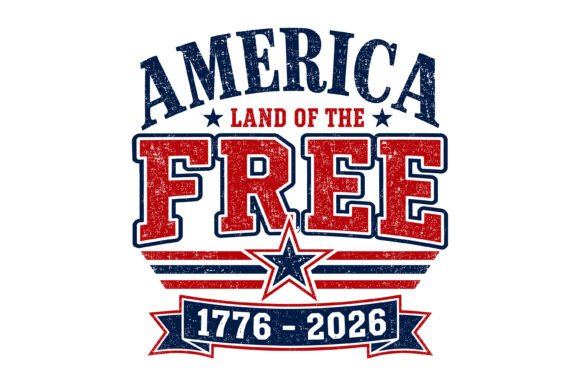
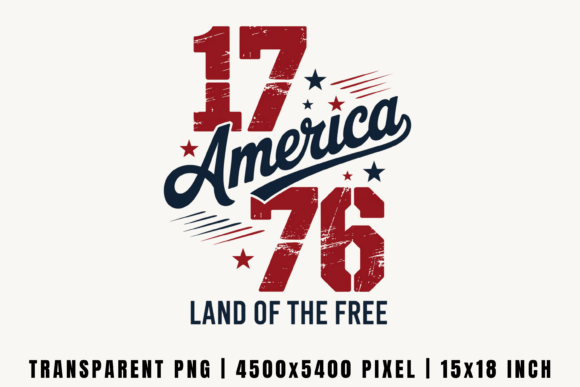
At its core, this design asset relies on the power of dynamic typography and distressed textures. The phrase "1776 America" isn't just typed out in a standard font; it is rendered in a style that mimics vintage letterpress printing or aged signage. This "worn" look is crucial in modern design trends because it adds instant character and authenticity. It tells the viewer that this isn't sterile, corporate art—it has history. Paired with the "Land of the Free" tagline, the composition creates a complete narrative. The strong contrast between deep navy and vibrant red ensures that the design pops, whether it is screen-printed on a heavy cotton tee or heat-pressed onto a tote bag.
Why Distressed Vintage Textures Resonate with Audiences
For designers and small business owners, understanding why a design works is just as important as having the file itself. The vintage aesthetic of this particular graphic taps into a psychological trigger known as "nostalgia marketing." In a world of sleek, digital perfection, consumers are increasingly drawn to textures that feel human and tangible. A distressed design suggests durability and timelessness.
When you apply the America 1776 Land of the Free Design to your product, you aren't just selling a graphic; you are selling a vibe. It appeals to a broad demographic—from history buffs who appreciate the significance of the year 1776 to fashion-forward individuals who prefer the "lived-in" look of retro apparel. The visual noise of the distressed texture also serves a practical purpose: it hides minor imperfections in printing much better than solid, flat colors do, which is a massive bonus for print-on-demand services and small batch screen printers.
Technical Specs That Matter for Production
Nothing stalls a project faster than a pixelated image. One of the biggest hurdles in sourcing design assets is resolution. A file might look great on your laptop screen but falls apart when enlarged for a poster or a billboard. This is where the technical specifications of this package become vital for your workflow.
The package provides a High-quality print-ready design with dimensions of 4500 x 5400 Pixels at 300 DPI. To break that down in practical terms: 300 DPI (dots per inch) is the industry standard for high-resolution printing. It ensures that the edges of the typography remain crisp and the distressed textures remain distinct, not muddy. The 15 x 18-inch size gives you plenty of "bleed" room. You can scale this down for a left-chest logo on a polo shirt or scale it up for a large back-print on a hoodie without losing integrity.
Furthermore, receiving the file as a PNG with a Transparent Background is a game-changer for versatility. You aren't locked into a white box. You can overlay this design onto navy blue shirts, charcoal grey hoodies, or even rustic wood textures for digital mockups. This transparency allows the design to integrate seamlessly into your existing color palettes and branding materials.
From Screen to Stitch: Practical Applications
While the obvious use case is apparel, the utility of a high-quality patriotic graphic extends far beyond t-shirts. When you have a versatile asset like the America 1776 Land of the Free Design, you can build an entire ecosystem of products or marketing materials around it.
Here are several ways entrepreneurs and creators are utilizing this style of design:
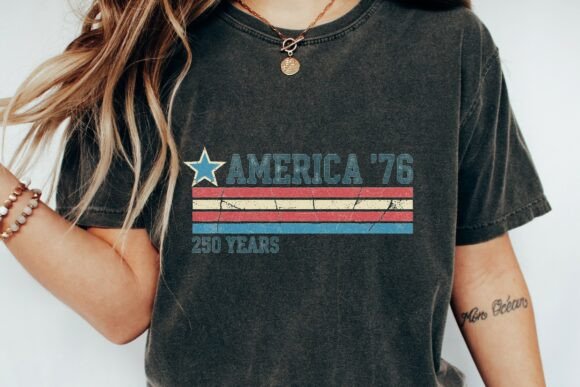
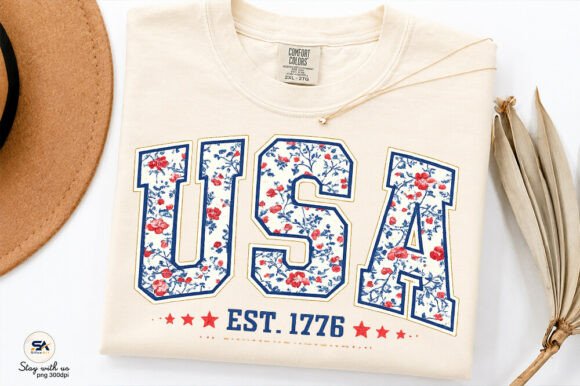
- Merchandise & Apparel: This is the bread and butter. Think classic crewneck sweatshirts, dad hats, and tote bags. The vintage aesthetic pairs perfectly with garment-dyed fabrics.
- Event Branding: If you are organizing a local 5K run, a county fair, or a corporate Independence Day picnic, this graphic can anchor your flyers, banners, and wristbands.
- Digital Products: Content creators can use this as a graphic element in YouTube thumbnails, Instagram stories, or digital planners themed around summer and history.
- Packaging & Labels: For small businesses selling artisanal goods (think BBQ sauces, craft beers, or candles), this design works beautifully as a label element that implies heritage and quality ingredients.
- Wall Art & Decor: Framed prints featuring patriotic typography are perennial sellers on platforms like Etsy, especially leading up to summer holidays.
Strategic Typography and Color Psychology
Good design is rarely accidental. The visual success of this specific graphic lies in the interplay between the retro USA typography and the color theory at play. The "dynamic typography" mentioned in the description likely refers to a layout that isn't static—perhaps the text arches, overlaps, or varies in weight to create a focal point. This prevents the design from looking like a standard headline in a newspaper and turns it into a piece of art.
The strong red and navy color contrast is not just traditional; it is functional. Red is an action color—it stimulates energy and passion. Navy blue conveys stability, trust, and authority. When used in vintage America 1776 themes, navy often replaces black to soften the look, making it feel more historic and less stark. For designers, this color combination offers a high-contrast ratio that ensures readability, which is a key factor in accessibility and user engagement.
Integrating the Design into Your Brand Identity
If you are a small business owner, particularly in the niche of patriotic apparel or American heritage goods, consistency is key. You want your customers to recognize your "voice" visually. Using the America 1776 Land of the Free Design as a cornerstone of your seasonal collection can help solidify your brand identity.
However, be mindful of context. If your brand is usually very minimalist and modern, slapping a distressed vintage graphic on your products might feel jarring to your existing audience. The trick is to find a balance. You might use the design on a specific "Heritage Line" or use elements of it (like the color palette or texture style) in your social media graphics to bridge the gap between your core aesthetic and this seasonal offering.
When creating marketing assets—such as Facebook ads or email headers—ensure that the typography within the design complements the typography of your body copy. If the "1776" text is a bold, blocky serif, try pairing your body text with a clean sans-serif font. This contrast (hierarchy) helps guide the viewer's eye, ensuring they see the big picture first (the patriotic graphic) and then read the details (the sale price or event date).
Licensing and Commercial Use: The Fine Print
For entrepreneurs, the most critical aspect of any digital asset is the licensing. Before you mass-produce 500 t-shirts or sell the design as part of a digital download bundle, you must understand the usage rights.
Most premium design assets come with a license that allows for commercial use—meaning you can sell physical products featuring the design. However, there are often restrictions on reselling the digital file itself. You typically cannot claim copyright over the original artwork, nor can you sell it as a standalone digital file to other designers. Always review the specific terms provided with your download. Ensuring you are compliant protects your business from legal headaches down the road and respects the intellectual property of the artist who created the distressed patriotic design.
Ultimately, the America 1776 Land of the Free Design is more than just a seasonal graphic; it is a versatile tool. Whether you are printing shirts for a fundraiser, creating content for a history blog, or packaging a product that prides itself on American craftsmanship, this asset provides the visual weight and historical resonance needed to connect with your audience on an emotional level. It captures the spirit of independence and pairs it with the grit of vintage aesthetics, making it a timeless addition to any designer's toolkit.